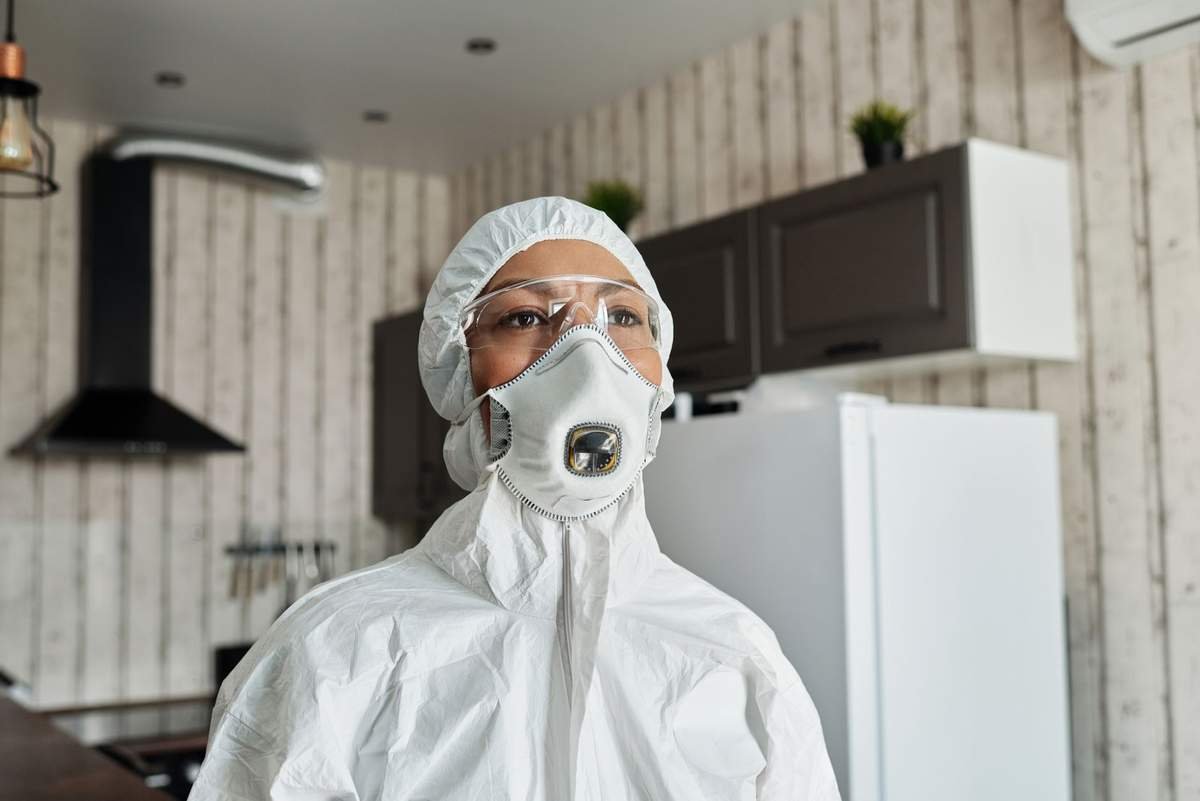
Understanding What Makes Sofa Cleaning Essential
Your sofa endures more daily abuse than almost any other piece of furniture in your home. Between morning coffee spills, pet hair accumulation, dust settling deep into fibers, and the natural oils from skin contact, even the most expensive upholstery gradually loses its appearance and hygiene. Most homeowners in Panchkula realize this only when visible stains appear or when allergies flare up unexpectedly.
The reality is that surface vacuuming removes perhaps 15% of what actually lives in your upholstery. The rest—dust mites, bacteria, embedded dirt, allergen proteins—requires professional extraction methods that penetrate deep into padding layers without damaging fabric integrity.
Why Panckhula Residents Face Unique Upholstery Challenges
Panchkula’s climate creates specific problems for fabric furniture. The region experiences distinct seasonal shifts—humid monsoons followed by dry winters—causing upholstery fibers to expand and contract repeatedly. This cycle pushes surface contaminants deeper into padding while creating microscopic cracks in leather and synthetic materials where mold spores establish colonies during humid months.
Construction dust from ongoing development across sectors like Sector 20, Sector 21, and the newer sectors near the Ghaggar river adds another layer. Fine particulate matter settles into weave patterns standard vacuums cannot reach. Combined with pollen from the abundant greenery in areas like Mansa Devi complex and Pinjore gardens, sofa fabric becomes a reservoir for respiratory irritants.
Apartment complexes in high-density areas like Sector 15 and Sector 16 face additional challenges. Shared ventilation systems circulate cooking oils, tobacco residue, and outdoor pollutants between units. These airborne particles settle invisibly on upholstery, creating a film that attracts and binds dust particles—a cycle that accelerates soiling far beyond what occurs in standalone homes.
The Science Behind Professional Extraction Methods
Hot Water Extraction vs. Dry Cleaning: What Actually Works
Hot water extraction—often incorrectly called steam cleaning—injects heated solution at controlled pressure into upholstery fibers, then immediately extracts it along with dissolved contaminants. The critical variables are temperature maintenance (ideally 90-95°C at the wand tip), dwell time for cleaning agents to break molecular bonds between soil and fiber, and extraction power measured in air watts, not just vacuum pressure.
Dry cleaning methods using absorbent compounds or encapsulation polymers serve specific purposes: delicate fabrics that shrink or bleed with moisture, immediate-use requirements where drying time isn’t available, or maintenance cleaning between deep extractions. They cannot match the soil removal percentage of proper hot water extraction for heavily soiled upholstery.
Guga Aviation’s technicians assess fiber type, construction method, soil level, and client constraints before selecting methodology. A hand-tufted wool blend in a Sector 4 bungalow requires different treatment than a microfiber sectional in a Sector 25 apartment. This assessment prevents the irreversible damage—color bleeding, fiber distortion, adhesive breakdown, shrinkage—that occurs when one method gets applied universally.
Chemical Formulations Matter More Than Equipment
The cleaning industry has evolved beyond harsh alkaline shampoos that left sticky residues attracting faster resoiling. Modern formulations use surfactant technologies tailored to specific soil types: enzymatic breakers for protein stains (food, blood, pet accidents), solvent-based emulsifiers for oil-based soiling (body oils, cosmetics, cooking residue), and oxidizing agents for tannin stains (tea, coffee, wine) that chemically alter chromophores rather than masking them.
pH-balanced rinses neutralize cleaning agent residues, preventing the alkaline buildup that causes fiber degradation and skin irritation. Anti-wicking agents prevent remaining moisture from carrying dissolved solids to the surface during drying— the primary cause of reappearing spots. Fluorocarbon protectors applied post-cleaning create invisible barriers that repel both water and oil-based spills, extending intervals between professional cleanings.
Fabric Identification: Why It Determines Everything
Natural Fibers Require Specialized Knowledge
Cotton and linen upholstery, common in traditional Punjabi household furniture, swell significantly when wet. Over-wetting causes shrinkage upon drying, distorting cushions and creating wrinkles that cannot be smoothed out. These fibers also bleed natural dyes if pH isn’t carefully controlled. Professional cleaners test colorfastness in hidden areas using the actual solutions intended for the job—not generic test kits that don’t replicate real cleaning conditions.
Wool upholstery, found in premium imported pieces, contains lanolin that provides natural soil resistance but complicates cleaning. Alkaline solutions strip this protective layer, leaving fibers vulnerable to permanent staining. Wool also felts—fibers interlock irreversibly—when subjected to mechanical agitation while wet. Low-moisture methods with wool-safe detergents preserve both appearance and structural integrity.
Silk and silk blends, occasionally found in heritage furniture in older Panchkula homes, demand the most restrictive parameters: neutral pH only, minimal moisture, zero mechanical action, controlled drying away from direct heat. These pieces often cost more to clean than replace, making professional assessment essential before any treatment attempt.
Synthetic Fibers Have Their Own Complexities
Polyester and nylon resist moisture damage but attract oily soils electrostatically. Standard detergents often fail to break this bond, requiring specialized surfactants. Olefin (polypropylene) fibers, common in budget-friendly sectionals, have extremely low melting points—hot water extraction temperatures must be reduced to prevent fiber distortion, compensated by increased chemical dwell time.
Microfiber—ultra-fine synthetic filaments—creates enormous surface area for soil adhesion but also traps cleaning residues if extraction isn’t thorough. The fabric’s density prevents air circulation during drying, creating mold risk if moisture isn’t removed aggressively. Proper microfiber cleaning requires higher vacuum pressure and often multiple extraction passes.
Leather and faux leather present entirely different challenges. Real leather requires pH-balanced cleaners that don’t strip natural oils, followed by conditioning agents that replenish moisture without creating sticky surfaces. Faux leather (PU/PVC) cracks when solvents penetrate the substrate—water-based cleaners only, with immediate drying. Both materials show every scratch and abrasion, making pre-existing damage documentation critical before cleaning begins.
The Guga Aviation Approach: What Differentiates Professional Results
Pre-Inspection Protocol Prevents Costly Mistakes
Every job begins with systematic documentation: fiber identification through burn testing or microscopic analysis, construction assessment (tight back vs. loose cushions, attached vs. removable covers), existing damage cataloging (tears, fading, previous cleaning residue, pet damage), and soil classification by type and depth. Photographs with client acknowledgment prevent disputes about pre-existing conditions.
This inspection determines whether cleaning will improve appearance, whether damage risks outweigh benefits, and which methodology maximizes results while minimizing risk. Clients receive written assessment before work begins—transparency that builds trust and manages expectations realistically.
Equipment Investment Reflects Commitment to Outcomes
Truck-mounted extraction units provide consistent 100+ psi injection pressure and 250+ CFM vacuum flow—performance portable units cannot match regardless of marketing claims. This power translates to deeper soil removal, faster drying times (typically 2-4 hours vs. 8-24 hours), and reduced over-wetting risk because extraction efficiency removes more moisture per pass.
However, truck mounts cannot reach upper-floor apartments without elevator access or navigate narrow stairwells in older Panchkula buildings. Guga Aviation maintains high-performance portable extractors with heating elements and vacuum motors approaching truck-mount specifications for these scenarios. The technician selects equipment based on access logistics, not convenience.
Specialized upholstery tools—low-profile wands for tight backs, detail tools for tufting and pleats, micro-tools for armrests and skirt areas—ensure every surface receives appropriate agitation and extraction. Using carpet wands on upholstery, a common shortcut, over-wets padding and misses contoured areas.
Technician Training Exceeds Industry Minimums
Certification through IICRC (Institute of Inspection, Cleaning and Restoration Certification) provides baseline knowledge, but real expertise develops through mentored field experience with diverse fabric types and soil conditions. Guga Aviation’s senior technicians have minimum 5 years hands-on experience before leading jobs independently.
Ongoing training covers emerging fabric technologies—performance fabrics with stain-repellent finishes, antimicrobial treatments, recycled fiber blends—each requiring updated cleaning protocols. Manufacturer-specific training for brands like Natuzzi, Ashley, La-Z-Boy, and Indian premium brands ensures warranty compliance when cleaning newer furniture.
Soft skills matter equally: communication about realistic outcomes, respect for client homes (corner guards, floor protection, shoe covers), and post-service care instructions tailored to each piece. The difference between adequate and exceptional service often lies in these details.
Common Sofa Problems in Panchkula Homes and Solutions
Monsoon Mold and Mildew
July through September humidity regularly exceeds 80% in Panchkula. Upholstery padding absorbs ambient moisture, creating ideal conditions for Aspergillus and Penicillium mold genera. Early signs include musty odor when sitting, faint discoloration on cushion undersides, and increased allergy symptoms indoors.
Professional treatment requires antimicrobial application after thorough extraction, not before—killing surface mold without removing spores and mycelium embedded in padding guarantees recurrence. HEPA vacuuming post-drying removes dead spores. Dehumidification recommendations for the specific room environment prevent re-establishment.
Leather develops surface mold (white powdery growth) that penetrates finishes if untreated. Specialized leather cleaners with fungicidal properties followed by pH-balanced conditioning restore appearance without damaging the hide.
Pet-Related Challenges
Panchkula’s pet ownership rates continue rising, particularly in newer sectors with larger apartments. Pet urine presents the most difficult upholstery challenge: urea converts to ammonia, breaking down dye sites and fiber structure while creating alkaline salt crystals that attract atmospheric moisture—perpetual odor and staining cycle.
Enzymatic treatments break down urine proteins but require extended dwell time (hours, not minutes) and moisture to remain active. Professional application uses sub-surface injection tools delivering enzymes directly to contaminated padding layers, followed by weighted extraction pulling spent solution and dissolved contaminants upward.
Pet dander—microscopic skin flakes carrying allergen proteins—embeds in fabric weave beyond vacuum reach. Hot water extraction with allergen-denaturing surfactants reduces measurable allergen load by 90%+ in clinical testing. Regular professional cleaning every 6-8 months maintains this reduction for allergic household members.
Cooking Oil Aerosol Buildup
Open-kitchen designs popular in modern Panchkula apartments allow cooking oils to aerosolize and settle on adjacent upholstery. This invisible film creates sticky surfaces that bind dust, creating grayish discoloration on armrests and headrests first—areas contacting skin transfer additional oils, accelerating the cycle.
Standard shampoos cannot break down polymerized cooking oils. Professional degreasers with d-limonene or specialized surfactant blends emulsify these films for extraction. Post-cleaning protector application creates sacrificial layer that next oil deposition adheres to, preserving underlying fabric until next professional cleaning.
Construction Dust Infiltration
Ongoing development across Panchkula—especially sectors near the Ghaggar river and new Chandimandir cantonment area—generates fine silica dust penetrating window seals and ventilation systems. This abrasive particulate acts like sandpaper on fabric fibers with every use, accelerating wear patterns visible as faded seating areas.
HEPA filtration during extraction prevents redistributing this dust into indoor air. Multiple extraction passes with dwell time allow surfactants to suspend particles for removal rather than pushing them deeper. Post-cleaning inspection under angled lighting reveals remaining dust trails requiring targeted re-treatment.
Seasonal Maintenance Calendar for Panchkula Residents
Pre-Monsoon (April-May): Preparation Phase
Schedule deep cleaning before humidity spikes. Removing accumulated winter soils and spring pollen prevents these from becoming mold nutrients when moisture arrives. Apply fluorocarbon protector to create moisture-repellent barrier. Address any existing stains completely—moisture will set remaining residues permanently.
Check cushion cores for moisture retention from winter condensation. Replace compromised foam before it becomes mold habitat. Ensure proper air circulation around furniture—pull pieces 4-6 inches from walls, especially exterior walls prone to condensation.
Post-Monsoon (October-November): Recovery Phase
Even with precautions, monsoon humidity affects upholstery. Schedule inspection cleaning to remove any early mold colonization before winter sealing traps spores indoors. This timing aligns with Diwali preparation cleaning many households undertake anyway.
Winter heating (room heaters, blowers) creates extremely dry air—leather requires conditioning to prevent cracking. Fabric benefits from anti-static treatment reducing dust attraction in low-humidity conditions.
Pre-Summer (February-March): Allergen Reduction
Pollen season begins early in Panchkula with mango, neem, and eucalyptus flowering. Deep cleaning removes winter dust accumulation and pre-existing pollen before peak season. Allergen-denaturing treatment provides 8-12 week protection window covering worst pollen weeks.
This timing also addresses any holiday season soiling—food spills, increased usage, candle soot from celebrations—before fabrics bake in summer heat, setting stains permanently.
Cost Factors: Understanding Value vs. Price
What Drams Professional Cleaning Pricing
Fabric type and complexity dominate pricing. A simple synthetic 3-seater requires 45-60 minutes. A multi-fabric sectional with tufting, skirts, and removable cushions takes 3-4 hours. Leather condition adds 30-45 minutes per piece. Delicate fabrics requiring hand-cleaning methods double labor time.
Soil level affects chemical consumption, dwell time requirements, and extraction passes. Heavily soiled pieces may need pre-spray, dwell, agitation, extraction, repeat—tripling solution use and labor versus maintenance cleaning.
Access logistics in Panchkula significantly impact pricing. Ground-floor independent homes with driveway access cost less than 4th-floor apartments without elevator service requiring equipment carry. Narrow stairwells in older sectors (Sector 7, Sector 9) add 30-60 minutes setup/breakdown time.
Additional services—stain protection application, deodorization, sanitization, cushion rotation and fluffing, frame inspection—add incremental cost but often represent better value than separate appointments.
Why the Cheapest Quote Usually Costs More
Companies quoting ₹500-800 per seat typically use portable units with cold water, generic high-pH shampoo, single-pass extraction, and minimal drying effort. Results: rapid resoiling from residue, overwetting damage risk, mold development in padding, and stain reappearance within weeks.
Mid-range providers (₹1,200-1,800/seat) often have adequate equipment but rush jobs to maintain volume—insufficient dwell time, inadequate extraction passes, skipped pre-inspection leading to damage disputes.
Quality-focused services (₹2,000-3,500/seat) include proper inspection, fabric-appropriate chemistry, thorough extraction, controlled drying with air movers, and post-cleaning protection. The per-year cost amortized over 12-18 month cleaning intervals often beats frequent cheap cleanings that degrade fabric faster.
Guga Aviation positions in the quality tier with transparent pricing: itemized quotes specifying methodology, chemicals, estimated time, and guaranteed outcomes. No hidden fees for “heavily soiled” surcharges discovered on-site—assessment happens before quoting.
DIY Maintenance Between Professional Cleanings
Weekly Routine That Actually Helps
Vacuum with upholstery attachment using slow, overlapping strokes—speed reduces suction effectiveness. Focus on seams, tufting depressions, and under cushions where skin cells and dust accumulate. Crevice tool reaches frame junctions where debris collects.
Rotate cushions weekly—flip and swap positions—to distribute wear evenly. This prevents permanent body impressions in foam and delayed soiling patterns on fabric. Fluff down/feather cushions by hand to redistribute fill and maintain loft.
Address spills immediately: blot (never rub) with white microfiber cloth. Work from outside toward center to prevent spreading. Plain water works for water-based spills if treated instantly. Oil-based spills need cornstarch or baking soda absorption before any liquid application.
Monthly Deep Maintenance
Remove all cushions. Vacuum frame, springs/webbing, and cushion undersides—areas never reached during weekly routine. Check for loose threads, separating seams, or frame damage requiring repair before worsening.
Lightly brush fabric with soft upholstery brush (nylon bristles, not wire) to lift matted fibers and restore texture. Direction matters: brush with nap direction on velvet/chenille, against nap on flat weaves to raise pile.
Test protector effectiveness: place few water drops on inconspicuous area. Beading indicates active protection. Absorption within 10 seconds means reapplication needed—schedule professional protector refresh rather than DIY sprays that often create uneven buildup.
What Never to Attempt
Steam cleaners from hardware stores lack extraction— they inject moisture without removing it, guaranteeing overwetting. Carpet cleaning solutions on upholstery—formulations differ significantly; carpet shampoos leave residues that destroy fabric hand and attract soil. Bleach or hydrogen peroxide on any colored fabric—permanent color loss guaranteed. Hairdryers or heaters for accelerated drying—uneven heat causes shrinkage, watermarks, and adhesive failure.
Colored cloths or paper towels for blotting—dye transfer creates secondary staining. Circular rubbing motion—distorts fibers permanently, creates visible wear patterns. Over-the-counter protectors on already-protected fabric—layer incompatibility creates sticky residue trapping dirt.
Choosing the Right Service Provider in Panchkula
Verification Checklist Before Booking
Physical presence verification: Legitimate companies have local addresses, not just website listings. Visit or verify Google Maps street view. Guga Aviation operates from established Panchkula location with workshop, not residential address.
Insurance documentation: General liability (minimum ₹10 lakh) and workers’ compensation. Request certificate of insurance naming you as additional insured for the service date. Uninsured operators leave you liable for technician injuries or property damage.
Technician certification proof: IICRC certificates for upholstery cleaning (UFT) and possibly leather cleaning (LCT). Ask which technician will perform work—their specific certification, not company owner’s.
Reference specificity: Request references from your sector or similar housing type. “Mrs. Sharma in Sector 15” verifiable reference carries more weight than “many satisfied customers.”
Process transparency: Written methodology explaining inspection, cleaning, drying, and post-care steps. Vague “we use best methods” indicates either ignorance or corner-cutting.
Guarantee terms: Written satisfaction guarantee with specific remedy (re-clean, partial refund, full refund) and timeframe. Verbal promises evaporate after payment.
Red Flags During Initial Contact
Pressure for immediate booking without inspection. Quotes without seeing furniture (photos insufficient for accurate assessment). Cash-only pricing or “discount for no invoice” suggesting tax evasion. Unmarked vehicles or technicians without company identification. Reluctance to provide written quote with line items. Claims of “proprietary” or “secret” cleaning solutions—legitimate companies disclose chemical types (enzyme, oxidizer, solvent, surfactant) without revealing exact formulations.
The Guga Aviation Difference in Practice
Case Study: Sector 21 Family Home Restoration
A family in Sector 21 contacted Guga Aviation regarding a 4-year-old Italian leather sectional showing premature cracking, color loss on seating areas, and persistent odor. Previous cleaner used alkaline carpet shampoo on leather—stripping finishes and conditioning oils, leaving residue that trapped body oils and dust.
Assessment revealed: finish failure on 60% of seating surfaces, foam degradation from moisture retention, and bacterial colonization in stitching holes. Restoration plan: pH-neutral leather cleaner for residue removal, specialized leather prep for finish adhesion, color-matched pigment application with airbrush technique, topcoat with flexible acrylic urethane, and deep conditioning of non-seating areas.
Process took 6 hours over two days (curing time between coats). Cost: ₹18,000 vs. ₹1.2 lakh replacement. Result: sectional restored to near-original appearance with 3-5 year durability expectation. Family now schedules annual maintenance cleaning with leather-safe protocols.
Case Study: Sector 25 Apartment Pet Odor Elimination
Newly purchased resale apartment in Sector 25 had lingering pet odor from previous owner’s dogs. Fabric sofa appeared clean but emitted strong ammonia smell when occupied. UV inspection revealed multiple urine deposits soaked into foam cores—surface cleaning by previous service missed padding contamination.
Treatment: Sub-surface enzyme injection at each contaminated zone (identified via moisture meter and UV mapping), 4-hour dwell time with humidity tent maintaining enzyme activity, weighted extraction pulling spent solution from foam core, antimicrobial application, and odor-neutralizing encapsulant on fabric surface.
Single 3-hour session eliminated measurable odor. Follow-up at 2 weeks confirmed no recurrence. Cost: ₹4,500 for 3-seater vs. ₹35,000 replacement. Client now uses Guga Aviation for semi-annual maintenance with their new pet.
Case Study: Heritage Home in Sector 4
Family inheriting ancestral home in Sector 4 needed cleaning for 60-year-old hand-woven cotton sofa set with vegetable-dye colors. Museum conservation referral suggested dry cleaning only—cost prohibitive and local providers unavailable.
Guga Aviation developed custom protocol: micro-extraction with heated deionized water (zero mineral content), pH 6.5 surfactant at 0.5% concentration, 30-second dwell, immediate extraction at reduced vacuum (80 CFM), controlled drying at 22°C/45% RH with air circulation only—no heat. Pre-testing on hidden back panel confirmed zero color migration.
Result: Visible soil removal without any color change, shrinkage, or texture alteration. Family preservation achieved at ₹12,000 for 3-piece set. Annual maintenance now uses same ultra-gentle protocol.
Environmental Responsibility in Cleaning Practices
Chemical Stewardship
Guga Aviation selects formulations biodegradable within 28 days (OECD 301 standard), phosphate-free, VOC-compliant per CPCB guidelines, and packaged in recyclable containers with concentrate dilution systems reducing plastic waste by 80% versus ready-to-use products.
Wastewater recovery system in service vehicles captures spent solution for proper disposal—never discharged into storm drains or municipal systems untreated. This exceeds Panchkula Municipal Corporation requirements but reflects commitment to Ghaggar river watershed protection.
Resource Efficiency
Truck-mounted units run on vehicle engine power—no separate generator fuel consumption. Route optimization software clusters appointments geographically, reducing vehicle kilometers by 35% versus ad-hoc scheduling. Technician training emphasizes minimal chemical use through proper dwell time and mechanical action rather than concentration increases.
Equipment maintenance schedule extends machine life—descaling heating systems monthly, replacing vacuum seals quarterly, calibrating pressure pumps semi-annually. Well-maintained equipment cleans faster with less chemical and energy input.
Client Education for Sustainable Outcomes
Post-service care guides include fabric-specific maintenance reducing professional cleaning frequency. Protector reapplication schedules based on actual usage patterns rather than fixed calendar. Stain response kits with appropriate spotters for each fabric type prevent panic use of damaging household chemicals.
This educational approach aligns client and company interests: longer fabric life, fewer emergency calls, reduced overall chemical footprint.
Preparing for Your Professional Cleaning Appointment
Before Technician Arrival
Remove all loose items from sofa—throws, decorative pillows, toys, magazines. Vacuum surface debris if time permits (technician will vacuum regardless, but pre-removal speeds process). Note specific stains or concerns with timestamp if possible—“wine spill Tuesday evening” helps select correct treatment.
Clear access path from entry to furniture. Move breakables from side tables and adjacent surfaces. Secure pets in separate room—technician focus on furniture, not pet management, and open doors create escape risks.
Identify parking for service vehicle. In apartment complexes, reserve loading zone or visitor parking if required. Notify building management if elevator reservation needed for equipment transport.
During Service
Technician will conduct walkthrough inspection with you, confirming assessment and expected outcomes. Ask questions—understanding the process builds realistic expectations. Designate one decision-maker for any on-site discoveries requiring authorization (additional staining, hidden damage).
Expect noise from extraction equipment (70-85 dB)—similar to vacuum cleaner but lower frequency. Duration varies: 1-1.5 hours for standard 3-seater, 3-4 hours for complex sectionals. Technician will provide completion estimate after inspection.
After Service Completion
Do not replace cushions or use furniture until technician confirms dry—typically 2-4 hours with professional air movers, longer in monsoon humidity. Premature use re-soils damp fibers and creates body impressions in damp foam.
Follow provided care instructions precisely. Protector curing takes 24-48 hours—avoid spills during this window. Schedule next maintenance cleaning based on technician recommendation (typically 12-18 months for residential use).
Report any concerns within 48 hours—reputable companies address issues promptly. Guga Aviation provides direct technician contact for post-service questions, not generic customer service lines.
Frequently Overlooked Upholstery Items Needing Attention
Ottoman and Footstool Cleaning
These receive equal soiling from feet (shoe residue, skin oils) but rarely get cleaned. Matching cleaning timing prevents color mismatch between sofa and ottoman. Storage ottomans accumulate dust inside cavities—technician should vacuum interior during service.
Throw Pillow Maintenance
Decorative pillows often have delicate fabrics (silk, velvet, embroidery) requiring different cleaning than main upholstery. Removable covers allow separate processing. Feather/down fills need specialized drying to prevent clumping and mildew. Discuss pillow cleaning during initial assessment—often overlooked in quotes.
Headrest and Armrest Covers
Removable covers on high-contact areas extend professional cleaning intervals significantly. Machine washable covers (if fabric permits) allow monthly cleaning. Professional cleaning of covers alone costs fraction of full piece service. Guga Aviation offers cover-only pricing for clients using this strategy.
Hidden Surfaces
Sofa backs against walls, cushion undersides, skirt interiors, and frame surfaces accumulate dust affecting indoor air quality. Comprehensive service includes these areas—verify inclusion in quote. Some providers charge extra for “hard to reach” areas that standard upholstery tools access easily.
Long-Term Fabric Preservation Strategies
Rotation Systems for Even Aging
Implement cushion rotation schedule: weekly flip, monthly position swap, quarterly full rotation (front cushions to back if reversible). Document with photos or diagram for consistency. Even wear prevents premature replacement of individual cushions.
Environmental Control
Maintain 40-55% relative humidity year-round. Use humidifiers in winter (prevents leather cracking, fabric brittleness) and dehumidifiers in monsoon (prevents mold). Avoid direct sunlight on upholstery—UV degrades fibers and fades colors irreversibly. Sheer curtains or UV-blocking window film protect without darkening rooms.
Protective Measures
Washable throws on high-use seating areas (TV viewing spot, favorite reading chair) absorb body oils and contact soils. Rotate throws weekly with laundering. Decorative pillows provide similar protection for back cushions.
No-shoe policy reduces abrasive particulate and oil transfer dramatically. Indoor slippers or grip socks comfortable alternatives. Entry mat systems (scraper mat outside, absorbent mat inside) capture 80% of incoming soil before it reaches furniture.
Professional Maintenance Schedule
Annual deep cleaning for average household. Semi-annual for: pet owners, allergy sufferers, high-traffic homes, monsoon-affected ground floors, homes with young children. Quarterly for: commercial use (Airbnb, guest houses), severe allergy/asthma, immunocompromised residents.
Protector reapplication every 12-18 months depending on usage. Test water beading quarterly—reapply when absorption occurs within 30 seconds.
Understanding Cleaning Guarantees and Warranties
What Legitimate Guarantees Cover
Re-cleaning at no charge if results don’t meet agreed standards within specified timeframe (typically 7-14 days). Partial refund if re-cleaning fails. Full refund if damage occurs due to technician error (documented with pre/post photos).
What Guarantees Cannot Cover
Pre-existing damage (documented in pre-inspection). Fabric degradation from age/sun/previous improper cleaning. Stains permanently bonded to fibers (certain dyes, oxidized oils, bleach spots). Colorfastness issues undisclosed by manufacturer. Shrinkage in fabrics labeled “dry clean only” when client insists on wet cleaning against advice.
Manufacturer Warranty Considerations
Many furniture warranties require professional cleaning at specified intervals using approved methods to remain valid. DIY cleaning or uncertified providers void coverage. Request documentation of cleaning methodology and technician certification for warranty files. Guga Aviation provides detailed service reports meeting major manufacturer requirements.
The Economics of Professional vs. Replacement
Cost Comparison Framework
Quality sofa: ₹50,000-2,00,000+. Professional cleaning: ₹3,000-8,000 per session. Annual cleaning over 10 years: ₹30,000-80,000. Replacement at 7 years (typical without maintenance): ₹50,000-2,00,000+.
Maintained sofa lasts 15-20+ years. Unmaintained lasts 5-8 years. Professional cleaning extends usable life 2-3x for 10-15% of replacement cost.
Hidden Replacement Costs
Delivery fees (₹2,000-5,000 in Panchkula). Old furniture disposal (₹1,000-3,000). Time off work for delivery coordination. Style/color matching existing decor. Financing interest if not cash purchase. Environmental impact of manufacturing and disposal.
Value Retention
Well-maintained quality furniture retains resale value. Documented professional cleaning history increases buyer confidence. Vintage/antique pieces appreciate with proper care—professional conservation cleaning preserves investment value.
Making an Informed Decision for Your Home
Questions to Ask Yourself
How long since last professional cleaning? (Over 18 months = overdue). Any visible soiling, odor, or allergy symptoms when using furniture? Planning to keep current furniture 3+ more years? Willing to invest 2-4% of furniture value annually for preservation? Prefer scheduled maintenance over emergency stain removal?
Next Steps
Schedule inspection with Guga Aviation—no-obligation assessment providing fabric identification, soil analysis, methodology recommendation, timeline, and firm pricing. Compare against this article’s criteria for quality providers. Book based on value alignment, not lowest price.
Your sofa represents comfort, investment, and daily life backdrop. Professional care protects all three. The difference between adequate and exceptional cleaning appears in fabric longevity, indoor air quality, and the simple pleasure of sitting on truly clean furniture.
FAQs
Q: How often should I get my sofa professionally cleaned in Panchkula’s climate? A: For most Panchkula homes, annual professional cleaning suffices. Households with pets, young children, allergy sufferers, or ground-floor apartments facing monsoon humidity benefit from semi-annual cleaning (every 6-8 months). Commercial or high-traffic residential use may require quarterly service.
Q: Will professional cleaning remove all stains from my sofa? A: Most water-based and protein stains respond well to professional treatment. However, certain stains—bleach spots, oxidized oils aged over 6 months, dye transfer from non-colorfast fabrics, UV-faded areas—cannot be reversed by cleaning alone. These require color repair or re-dyeing services. Honest assessment during pre-inspection identifies which stains will improve versus which need alternative solutions.
Q: Is it safe to clean my sofa during monsoon season? A: Yes, with proper protocols. Professional services use controlled drying equipment (air movers, dehumidifiers) ensuring complete moisture removal within 2-4 hours regardless of outdoor humidity. In fact, pre-monsoon cleaning (April-May) removes soils that would feed mold growth during humid months. Post-monsoon cleaning (October-November) addresses any moisture-related issues before winter sealing.
Q: How long before I can use my sofa after professional cleaning? A: Typically 2-4 hours with professional air movers in Panchkula’s climate. Monsoon humidity may extend to 6 hours. Leather requires only 1-2 hours. Technician confirms dryness with moisture meter before authorizing use. Premature use re-soils damp fibers and creates body impressions in recovering foam.
Q: Do you move furniture to clean underneath and behind? A: Standard service includes cleaning all accessible surfaces—cushion undersides, frame, skirt interiors, back panels. Moving heavy pieces away from walls for floor cleaning beneath is available as add-on service (requires two technicians for safety). Discuss during booking if needed.
Q: Can you clean just the removable cushion covers instead of the whole sofa? A: Yes, cover-only cleaning costs 40-60% of full piece pricing. However, non-removable areas (frame, attached backs, armrests) accumulate matching soils. Color difference between cleaned covers and uncleaned frame becomes visible. Full-piece cleaning recommended for uniform appearance unless covers are solely decorative and frame sees minimal contact.
Q: What certification should I verify before hiring a sofa cleaning company? A: IICRC UFT (Upholstery and Fabric Technician) certification for the specific technician performing work—not just company ownership. For leather, LCT (Leather Cleaning Technician) certification. Request certificate numbers verifiable on IICRC website. General business license and insurance certificates should also be current.
Q: How do you handle delicate fabrics like silk or antique upholstery? A: Specialized low-moisture protocols: micro-extraction with deionized water, pH-neutral surfactants at minimal concentration, reduced vacuum pressure, controlled ambient drying (no heat), and conservator-grade spot testing. These methods cost 2-3x standard cleaning but preserve irreplaceable fabrics. Museum-referral protocols available for heritage pieces.
Q: Will cleaning make my sofa get dirty faster? A: Improper cleaning with residue-leaving shampoos causes rapid resoiling. Professional extraction removes cleaning agents completely, and post-cleaning fluorocarbon protector application creates soil-repellent barrier. Properly cleaned and protected upholstery stays clean longer than uncleaned fabric, which attracts soil through static charge and body oil accumulation.
Q: Do you offer any warranty on your cleaning results? A: Guga Aviation provides 14-day satisfaction guarantee: free re-clean if results don’t meet agreed standards documented during pre-inspection. Manufacturer warranty compliance documentation provided for furniture still under warranty. Damage caused by technician error (extremely rare with certified staff) covered by company insurance with full remediation.
Q: Can you eliminate pet urine odor completely, not just mask it? A: Yes, through sub-surface enzyme injection targeting contaminated foam layers, not just surface treatment. Enzymes break down urea crystals and proteins causing odor. Weighted extraction removes spent solution. Antimicrobial and odor-encapsulant application prevents recurrence. Success rate exceeds 95% for deposits under 12 months old. Older deposits may require foam replacement in severe cases.
Q: What payment methods do you accept? A: UPI, major credit/debit cards, bank transfer, and cash with proper invoice. Digital payments preferred for transaction transparency. Corporate accounts available for property management companies and commercial clients with net-15 terms. GST-compliant invoices provided for all services.
Q: How far in advance should I book for weekend appointments? A: Weekend slots book 1-2 weeks ahead, especially during peak seasons (pre-Diwali, pre-wedding season, post-monsoon). Weekday appointments often available within 2-3 days. Emergency stain response (wine, urine, ink) prioritized for same/next-day service when possible. Book early for preferred timing.
Quick Navigation
Book a Professional Cleaning Service
Don't just read about it — let our verified experts handle it for you. Guga Aviation offers premium cleaning services with 100% satisfaction guaranteed.
Need Professional Help? Here's Why Guga Aviation is the Best Choice in Chandigarh Tricity
Whether it's deep house cleaning, bathroom disinfecting, or sofa shampooing, our highly trained professionals deliver exceptional results using organic and eco-friendly products.
Time Saving
Focus on your work while we handle the dust & grime.
Expert Equipment
Industrial machines and deep scrubbing tools.
Eco-Friendly
Safe for children, pets, and your family.
100% Satisfaction
Guaranteed service quality and reliability.
📍 We Cover Your Area
We provide our premier deep cleaning services in all key areas and sectors of Chandigarh, Mohali, Panchkula, and Zirakpur.